Banana Plant vs. Bird of Paradise: 7 Key Differences

Have you ever spotted a tall, leafy plant in a nursery and asked yourself, “Is that a banana plant or a bird of paradise?” You’re not alone. These tropical beauties are often confused, thanks to their bold, lush appearance. Whether you call it a banana tree, banana leaf plant, or mistake it for a bird of paradise like plant, the confusion is real—and understandable.
But here’s the deal: one gives you fruit, the other dramatic flowers. So if you’re torn between a banana plant vs bird of paradise, this guide will help you choose the right one for your space, care routine, and style.
Banana Plant Vs Bird of Paradise: Quick Comparison
Feature | Bird of Paradise | Banana Plant |
|---|---|---|
Classification | Strelitzia nicolai, family Strelitziaceae | Musa acuminata, family Musaceae |
Origin | Native to Africa | Originated in Asia |
Height | Up to 20 feet outdoors; around 6 feet indoors | 10–20 feet outdoors; smaller indoors |
Leaves | Large, elongated, slightly curved, up to 6 feet; grow in clusters of stalks | Huge paddle-shaped leaves, 6–10 feet long; grow from pseudostems like trunks |
Flowers | Unique, vivid, distinct; white with purple undersides; resembles a bird in flight | White or cream, less dramatic; flowers turn into bananas |
Produces Fruit? | No | Yes, edible bananas |
Growth Style | Grows in clusters, does not form central trunk | Forms pseudostems that look like palm-like trunks |
Hardiness Zones | 9–12 (with cold protection) or indoors; full sun to partial shade; humid climate | 10–11; tropical climate, needs full sunlight, moist but well-draining soil |
Water Needs | Moist soil, more drought-tolerant, dries slightly between waterings | Consistently moist soil, higher water needs |
Humidity Needs | Loves humidity, tolerates drier air with care | Loves high humidity; the more humidity, the better |
Soil Preference | Well-draining soil, tolerant of standard potting mix with added sand/perlite | Rich, well-draining soil with organic matter, retains moisture |
Pests & Diseases | Prone to mealybugs, aphids, fungal issues if overwatered | Susceptible to spider mites, root rot if overwatered |
Special Features | Known as “wild banana,” admired for bird-like flowers | Produces bananas, one of the most consumed fruits worldwide |
Interior Design | Sculptural leaves and flowers, adds dramatic and modern flair | Lush foliage, jungle-like vibe, great focal plant |
Propagation | Division of rhizomes, more challenging | Division of pups or offshoots, easier process |
Care Level | Moderate care; tolerates some neglect | Higher maintenance; needs frequent watering |
What is Banana Plant?
The banana plant, part of the Musaceae family, is unlike the bird of paradise because it produces edible fruit in warm tropical locations. Classified as Musa acuminata and native to Asia, it is valued for its commonly eaten fruits.
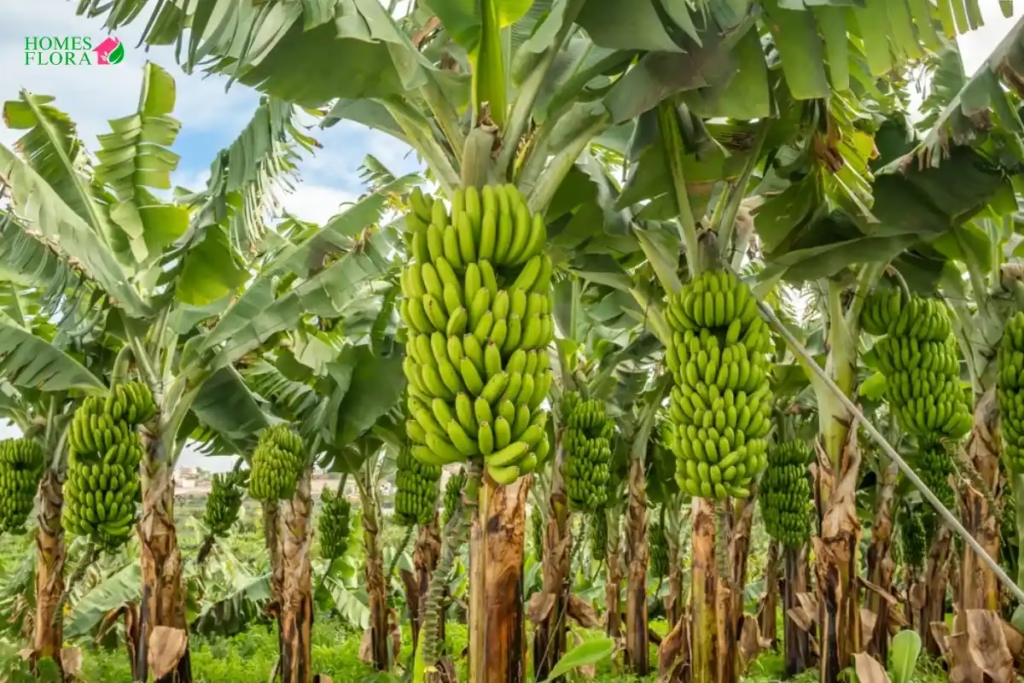
Its large, paddle shaped, deep green leaves can reach 6 to 10 feet and grow from pseudostems resembling a trunk or palm tree. Thriving in humid, hot environments, it grows best in hardiness zones 10 and 11 with full sunlight and sufficient moist water to develop properly.
What is Bird of Paradise?
The bird of paradise plant, part of the Strelitzia nicolai group in the Strelitziaceae family, is native to Africa. Unlike the banana plant, it does not produce edible fruits but is prized for its vivid, distinct flowers and unique appearance.
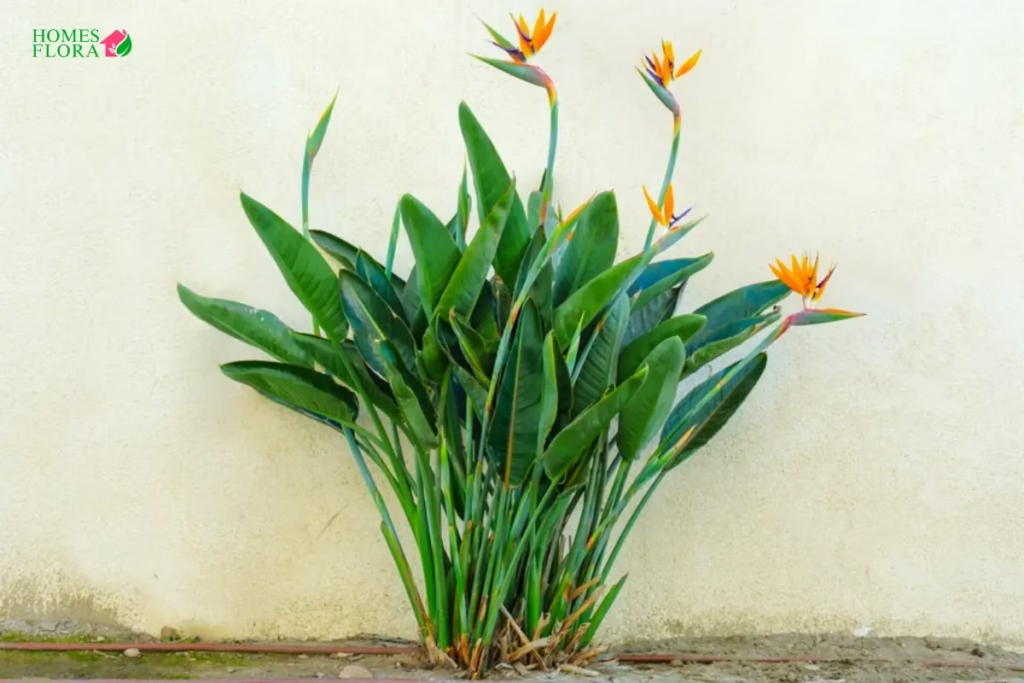
Growing in clusters with pseudostems, it thrives in hardiness zones 9 to 12 with proper cold protection. This plant tolerates partial shade as well as full sunlight, needing humid, hot environments and steady water to thrive.
bird of paradise vs banana plant: key Differences
The biggest difference between the two is Fruit vs Flower. They belong to different plant families but share similar leaf shapes and tropical care needs. The main difference is that banana plants (Musa spp.) produce edible fruit and grow from pseudostems, while bird of paradise (Strelitzia spp.) produces dramatic, bird-shaped flowers and grows in clumps of stalks.
Why People Confuse the Banana Tree vs Bird of Paradise
The banana plant (Musa) and bird of paradise (Strelitzia) are often confused due to their tropical leaves, upright growth, and bold, lush appearance. Both are sold under names like banana tree, wild banana, or banana leaf plant, especially Strelitzia nicolai, which is sometimes mistaken for a palm.
Though from different families—Musaceae and Strelitziaceae—they share similar leaf shapes, growth patterns, and thrive in warm, humid environments, making them common choices in indoor jungles and tropical home decor.
Related: Peace Lily vs. Calla Lily & Money Tree vs Umbrella Plant
How Do You Identify a birds of paradise vs banana tree?
Look at the stem, flower, and leaf texture. Banana plants grow a trunk-like pseudostem, while birds of paradise form a fan-like clump. Banana leaves are softer and tear more easily. Bird of paradise blooms look like a crane or tropical bird, while banana flowers are hidden in bracts and give way to fruit.
Visual Markers:
- Banana: Long central stalk, wide leaves that split with wind, subtle flower cluster.
- Bird of Paradise: Upright leaf fans, thick base clumps, bright crane-shaped blooms.
banana leaf plant vs bird of paradise: Optimal growing Condition
Both love warmth, humidity, and light—but they have slightly different tolerances.
Banana Plant Care:
- Light: Full sun to partial shade.
- Water: Keep soil evenly moist.
- Humidity: High (>50% ideal).
- Soil: Rich, well-draining mix with compost or organic matter.
- Fertilizer: High nitrogen in active growing months.
Bird of Paradise Care:
- Light: Bright indirect light, some direct OK.
- Water: Allow topsoil to dry between waterings.
- Humidity: Moderate to high.
- Soil: Standard potting mix with sand or perlite for drainage.
- Fertilizer: Balanced mix every 4–6 weeks.
Can You Grow Banana Plants and Birds of Paradise Indoors?
Yes, but bird of paradise is more suited for indoor living. It handles lower light, grows slower, and is less demanding in size. Banana plants grow faster, need more water, and can quickly outgrow a standard pot.
If you want a plant that’ll stay manageable, go with Strelitzia reginae. Want a lush, fast-growing green wall? Go for a dwarf banana cultivar.
Do Banana Plants and Birds of Paradise Produce Fruit or Flowers?
Only banana plants produce edible fruit, but bird of paradise steals the show with its flowers.
- Banana Fruit: Only produced if grown in ideal conditions—full sun, heat, space.
- Bird Flowers: Appear in mature plants, usually 3–5 years old.
Some cultivars like Strelitzia nicolai look like small trees and produce massive white blooms—but no bananas.
Banana Plant vs Banana Tree: Easy Explanation
A banana plant and a banana tree are the same thing. Even though it’s called a tree, it’s actually a big herb with a thick stem called a pseudostem made from many leaves. This tropical plant grows fast and produces bananas, the popular fruit eaten worldwide.
The words “banana plant” and “banana tree” both describe this green, leafy, fruit-bearing plant from the Musa family. People use these names interchangeably, but there is no real difference.
How to Propagate Banana Plants and Bird of Paradise?
Banana Plant Propagation:
- Best done through suckers or pups—baby plants that grow off the base.
- Separate pups with their own roots and pot separately in spring.
Bird of Paradise Propagation:
- Uses rhizome division.
- Wait until the plant is mature with multiple stems.
- Divide carefully and repot with fresh soil.
Are They Prone to Pests or Diseases?
Birds of paradise like plants are susceptible to common pests and plant diseases that impact their foliage health and growth. Recognizing these tropical plant problems early helps maintain strong, vibrant indoor and outdoor greenery.
Common Banana Plant Problems:
Banana plants can attract pests like aphids, spider mites, and scale insects that damage their large leaves. They’re also prone to root rot and leaf spot caused by overwatering or poor soil drainage. To keep them healthy, use well-draining soil, avoid excess watering, and clean the leaves regularly.
Common Bird of Paradise Issues:
Birds of paradise may suffer from pests such as mealybugs, whiteflies, and spider mites attacking their stiff leaves. They’re vulnerable to fungal infections if overwatered or kept in poor air circulation. Ensure good drainage, water only when the soil is dry, and maintain clean leaves with proper airflow.
Related: Explore the Peace Lily vs. Bird Of Paradise and Aglaonema Vs Dieffenbachia for the indoor plants and see which plant is best for your home condition. Also Read the Peace Lily Flower and Lily vs. Calla Lily if you love vibrant flowers and colors beauty.
Which Is Better for Interior Design: Banana Plant or Bird of Paradise?
Bird of paradise offers more sculptural drama, while banana plants bring lush fullness.
- Modern homes: Bird of paradise adds height and floral flair.
- Tropical or boho spaces: Banana leaf plants fit beautifully.
Both pair well with pots in ceramic, stone, or woven textures, and love being surrounded by other green companions like monstera, palm, or calathea.
Which Plant Should You Choose?
Pick based on your space, lifestyle, and what you value more—fruit or flower.
Preference | Best Plant |
Edible harvest | Banana plant (Musa) |
Iconic flowers | Bird of paradise (Strelitzia) |
Low maintenance | Bird of paradise |
Fast growth | Banana plant |
Indoor flexibility | Bird of paradise |
Final Thoughts: Wild Banana vs True Banana?
While Strelitzia is sometimes nicknamed wild banana, only Musa gives you real bananas. Still, both plants are worthy of admiration—and placement in your indoor jungle.
No matter your pick, you’ll get height, structure, and tropical charm. Choose the one that aligns with your light, care ability, and personal style—and get ready to transform your home into a green sanctuary.